why you need content calendar

Why Your Business Needs a Content Calendar

If you’re running a small business, staying organized with your online content can make or break your marketing success. It’s not just about what you post, it’s about when and how consistently you do it. That’s where a content calendar comes in. A well-built calendar provides your business with a roadmap for posting the right content at the correct times, helping you stay ahead of deadlines, trends, and customer expectations.

In this article, we’ll walk you through why a content calendar is essential, what it is, and how it can transform your social media and digital marketing efforts.

What Is a Content Calendar?

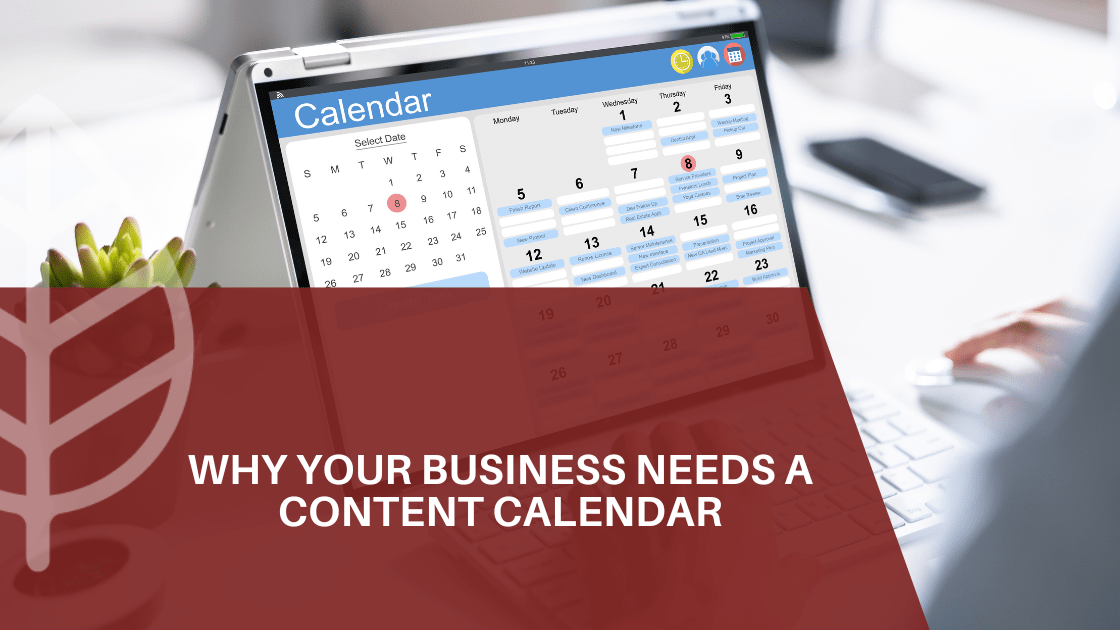
A content calendar, sometimes called an editorial calendar, is a visual planning tool that helps you map out all your upcoming marketing content. It shows what you plan to publish, where you’ll publish it, and when you’ll share it. Whether you’re scheduling blog posts, social media updates, newsletters, or promotional campaigns, your calendar serves as the master guide for your brand’s messaging strategy.

This tool helps you anticipate key dates, such as holidays, sales events, and seasonal trends. By doing so, you’ll never be able to come up with last-minute posts or miss valuable engagement opportunities. Instead, your content will feel intentional, cohesive, and timely.

Why Your Business Should Use One

A content calendar offers far more than simple organization. It creates clarity, consistency, and structure in your marketing efforts. When all your planned content lives in one central location, you can easily see what’s coming up, identify gaps, and adjust your strategy in real time.

Here are a few standout benefits:

1. Better Consistency and Engagement

Posting regularly is one of the biggest challenges for small businesses. A content calendar keeps you accountable and ensures that your social channels never go silent. With planned posting times, you can hit peak engagement hours and maintain a steady presence in your customers’ feeds.

2. Improved Team Collaboration

If you work with a marketing team or agency, a shared calendar helps everyone stay on the same page. Writers, designers, and social media managers can see what’s in progress, what’s approved, and what will go live.

3. Strategic Flexibility

Need to adjust your strategy based on analytics or audience feedback? With a content calendar, it’s easy to shift dates, swap topics, or pivot toward emerging trends without losing track of the big picture.

4. Stress-Free Planning for Holidays and Events

Instead of rushing to create last-minute graphics or captions for special days, you can plan them weeks or even months in advance. That means more thoughtful campaigns and less burnout.

How The AD Leaf Can Help

At The AD Leaf, we specialize in helping businesses build content strategies that actually drive engagement and growth. Our Content Marketing and Social Media Marketing experts analyze your audience’s behavior, discover optimal posting times, and create content that speaks directly to your target market.

From strategy to execution, we’ll help you develop a calendar that keeps your brand active, consistent, and relevant year-round.Ready to take control of your marketing schedule? Give us a call at 321-255-0900 and let us help you build a content calendar that works as hard as you do.

respond customer reviews

How to Respond to Customer Reviews

Customers have endless ways to share their experiences, from Google and Yelp to social media platforms and industry-specific review sites. These reviews have become one of the most potent forms of marketing (or deterrence) for any business.

While your website and advertising play a vital role in shaping your brand, it’s often customer reviews that define how people truly perceive you.

Your reputation is built one review at a time. A single positive review can inspire trust and attract new customers, while an unresolved negative review can do the opposite. The key lies not in avoiding criticism, but in learning how to respond effectively and authentically.

Claim Your Business on Review and Social Platforms

To stay in control of your online presence, make sure you’ve claimed your business on all major review sites and social platforms. This presence includes Google Business Profile, Yelp, TripAdvisor, Facebook, Instagram, and even niche platforms like Zomato or OpenTable if they apply to your industry.

By claiming your business listings, you can monitor feedback, respond directly to reviews, and ensure that your business information —address, hours, contact details —is accurate. Verified profiles also boost your credibility and improve your search engine rankings, helping potential customers find and trust you faster.

How to Respond to Customer Reviews the Right Way

Respond to Every Review, Good or Bad

It’s tempting to only reply to negative reviews, but acknowledging positive feedback is just as important. A simple “Thank you for your kind words!” shows appreciation and reinforces a strong customer relationship. It also signals to potential customers that you value your audience’s time and opinions.

Handling Negative Reviews with Grace

Negative feedback can sting, but it’s also a valuable learning opportunity. Before replying, take a moment to cool down, especially if the review feels unfair. Your tone should remain calm, polite, and professional at all times.

A helpful structure for responding:

  1. Acknowledge the concern: Thank the reviewer for sharing their feedback.
  2. Apologize if appropriate: Take responsibility without making excuses.
  3. Offer a resolution: Suggest a solution or invite them to contact you directly (e.g., “Please reach out to me at [email] so we can make this right.”).

Avoid turning your response into a public debate. The goal is to show empathy, professionalism, and a genuine willingness to improve.

Responding to Neutral Reviews

Neutral reviews often contain both compliments and concerns. Start by reinforcing what the customer appreciated, then address the parts that need improvement. You can also invite them to share more details privately so you can better understand their experience. This communication demonstrates attentiveness and a proactive approach to customer satisfaction.

Encourage Happy Customers to Leave Reviews

Satisfied customers don’t always remember to share their experiences, so don’t be afraid to ask! Encourage feedback through post-purchase emails, social media shoutouts, or QR codes on receipts that lead directly to your review pages.

When you receive glowing reviews, share them across your social channels. Repurposing positive feedback as testimonials or stories on Instagram, Facebook, or your website not only celebrates your customers but also builds credibility with new ones.

Turn Feedback Into Action

Every review, whether it’s praise, criticism, or something in between, contains insights you can use to improve your business. Look for patterns and recurring comments to identify what’s working and what needs attention. Consistently acting on feedback demonstrates that your business listens, adapts, and evolves.

Amplify Reviews Through Social Media

Once you’ve gathered great feedback, showcase it! Highlight authentic customer experiences on your social media profiles and website. Adding widgets or review snippets to your homepage can make it easy for visitors to see what real people are saying about your brand, and even encourage them to leave their own reviews.

At The AD Leaf, we understand that your online reputation can make or break your business. Our team can help you manage reviews, strengthen your digital presence, and nurture meaningful customer relationships.

Ready to take your brand’s reputation to the next level?

Whether you operate a retail store, hospitality business, or professional service in Las Vegas, The AD Leaf provides a personalized SEO strategy to maximize your online performance. Contact us today to create a roadmap for growth and safeguard your website’s long-term success.

How Las Vegas Businesses Can Navigate Google Algorithm Updates

How Las Vegas Businesses Can Navigate Google Algorithm Updates

Las Vegas is a fast-paced, competitive market where online visibility can make or break a business. With Google constantly updating its search algorithms, staying ahead of these changes is crucial for businesses that rely on organic traffic to attract customers. While algorithm updates can sometimes seem unpredictable, understanding their impact and implementing strategic SEO practices ensures that your business remains competitive and visible in local search results.

Understanding Google Algorithm Updates

Google updates its search algorithms hundreds of times per year, with some changes small enough to go unnoticed and others that can dramatically affect search rankings. These updates aim to improve search result relevance, user experience, and the overall quality of content displayed to users. Major updates often receive attention from SEO professionals because they can significantly impact website performance, particularly for local businesses in competitive markets like Las Vegas (Search Engine Journal, 2023).

For Las Vegas businesses, algorithm updates can influence not only national rankings but also local search results, making it essential to align your SEO strategy with Google’s evolving standards.

The Impact on Local SEO in Las Vegas

Local SEO is critical for Las Vegas businesses because tourists, residents, and remote customers often rely on online searches to make decisions. Google algorithm updates can affect several aspects of local SEO:

  • Google Business Profile Changes: Updates may change the visibility of key business details, such as services offered, customer reviews, or hours of operation.
  • Review and Reputation Signals: Businesses with authentic and consistent reviews can experience increased visibility, while those with fewer reviews or negative feedback may see decreased rankings.
  • NAP Consistency: Maintaining consistent Name, Address, and Phone Number across all online platforms is critical for local search performance.
  • Localized Content: Content tailored to the Las Vegas market—including blog posts, guides, or news relevant to the city—can improve search visibility after updates.

Businesses that do not adapt risk losing their rankings to competitors who actively optimize for these local factors.

Strategies for Surviving Google Algorithm Updates

While algorithm updates may seem daunting, Las Vegas businesses can take proactive steps to protect their SEO performance:

  1. Keep Your Google Business Profile Updated
    Ensure your profile is complete, accurate, and regularly maintained. Include current hours, high-quality images, detailed service descriptions, and relevant categories.
  2. Focus on Collecting and Responding to Reviews
    Google increasingly emphasizes genuine customer reviews in rankings. Encouraging satisfied customers to leave reviews and promptly responding to feedback can boost credibility and improve visibility.
  3. Ensure NAP Consistency Across All Platforms
    Verify that your business name, address, and phone number match exactly across your website, social media accounts, and local directories. Inconsistencies can confuse search engines and reduce ranking potential.
  4. Create Localized, Valuable Content
    Producing content specific to Las Vegas can improve relevance and engagement. Examples include blog posts about local events, neighborhood guides, or Las Vegas-specific tips related to your industry.
  5. Monitor Performance Metrics
    Use tools like Google Analytics and Google Search Console to track keyword performance, traffic patterns, and ranking fluctuations. Early detection of changes allows for timely adjustments.phone
  6. Avoid Outdated SEO Practices
    Keyword stuffing, hidden text, and low-quality backlinks can lead to penalties during algorithm updates. Focus on ethical, long-term strategies that align with Google’s best practices.
  7. Leverage Professional SEO Expertise
    Working with an experienced SEO firm ensures your website stays aligned with Google’s guidelines and can quickly adapt to algorithm updates, giving your business a competitive advantage.

Real-World Example: Las Vegas Businesses

Consider a Las Vegas restaurant in the Strip area. A core algorithm update focused on content quality may affect its visibility if its website contains thin, repetitive content. Conversely, a boutique hotel that maintains updated Google profiles, encourages guest reviews, and publishes blogs about Las Vegas tourism trends may see improved rankings after the same update.

Why The AD Leaf?

At The AD Leaf Marketing Firm, we help Las Vegas businesses navigate the complexities of Google algorithm updates. Our team combines local market expertise with proven SEO strategies to ensure your website stays visible and competitive. We focus on high-quality content, user experience, and ethical SEO practices, helping clients adapt to changes while attracting more customers online.

Whether you operate a retail store, hospitality business, or professional service in Las Vegas, The AD Leaf provides a personalized SEO strategy to maximize your online performance. Contact us today to create a roadmap for growth and safeguard your website’s long-term success.

Boosting Your Website with AI-Powered SEO

As competition increases online, business owners in Las Vegas are exploring smarter ways to generate leads organically. One of the most promising tools in today’s SEO toolkit is artificial intelligence. AI technology is transforming how websites are optimized, bringing deeper insights, faster analysis, and smarter strategies to the table.

At The AD Leaf Studio Las Vegas, we blend this cutting-edge tech with experienced SEO strategy to help local and national businesses improve visibility, generate traffic, and grow revenue. Here’s how you can start using AI in your SEO approach.

1. Upgrade Your Keyword Strategy with AI

Today’s AI tools do more than list trending keywords. They identify search intent, context, and relevance. Platforms like Google’s Natural Language API and SEMrush use machine learning to understand how people search and what they expect to find.

At our Las Vegas studio, we use AI SEO to uncover high-value keyword opportunities that match your audience’s intent. This helps you attract leads who are already searching for solutions you offer.

Pro Tip: Look for keyword tools that analyze search behavior and intent, not just volume.

2. Create Smarter, Better Content

AI content optimization tools like MarketMuse and Surfer SEO don’t just help with writing. They help you build content that performs. These platforms assess top-ranking pages in your niche and provide content recommendations based on what Google already favors.

At The AD Leaf Studio Las Vegas, we rely on these insights to guide content creation. We keep the human element front and center while using AI to ensure your pages are structured for maximum impact.

Pro Tip: Use AI to guide your content structure, but always personalize with voice, tone, and intent.

3. Audit Your Website with AI-Powered Tools

Website performance isn’t just about design. It’s about technical health. AI-enhanced site crawlers such as Sitebulb and Screaming Frog allow you to scan your site for performance issues like slow load times, broken links, and crawl errors.

Our team uses these tools to build customized audit reports that identify which fixes will actually impact rankings.

Pro Tip: Regular technical checkups help avoid major SEO setbacks later on.

4. Forecast SEO ROI with Predictive AI

Using AI to forecast performance is one of the most effective ways to make informed SEO marketing decisions. Tools with built-in analytics models can help predict ranking movement, traffic increases, and lead growth based on your current trends.

In Las Vegas, we’ve used these insights to map out multi-month strategies that align with real business goals.

Pro Tip: AI forecasts help set expectations and prioritize SEO tasks with confidence.

5. Track and Adjust with Live AI Insights

Search engine results shift constantly. AI allows marketers to monitor rankings, SERP changes, and competitor behavior in real time. This means quicker pivots and fewer surprises.

At The AD Leaf Studio Las Vegas, we use AI-driven alerts to stay ahead of keyword drops or ranking volatility. That agility allows our clients to maintain steady growth over time.

Pro Tip: Use automated monitoring tools to stay responsive, not reactive.

Bringing It All Together

AI SEO isn’t a shortcut. It’s a multiplier. When guided by expert strategy, it helps your website reach its full potential. At The AD Leaf Studio Las Vegas, we combine deep industry knowledge with AI-enhanced insights to help businesses scale organically.

As a full-service agency, we can also connect your SEO with web design, ads, social media, and more. Let’s build your visibility, starting with a smarter SEO foundation.

5 Reasons E-Commerce Marketing Will Boost Your Las Vegas Business in 2025

5 Reasons E-Commerce Marketing Will Boost Your Las Vegas Business in 2025

5 Reasons E-Commerce Will Boost Your Las Vegas Business in 2025

Las Vegas is more than just a tourist hotspot; it’s a city full of opportunities for businesses. Here are five ways e-commerce can help your Vegas business thrive in 2025:

1. Engage Millions of Tourists

Las Vegas welcomes millions of visitors each year. An e-commerce store lets you sell to tourists long after they leave, turning one-time visitors into repeat customers.

2. Connect With the Local Market

Vegas isn’t just for tourists; it’s home to a growing community of residents. Offering a seamless online shopping experience can make it easier for locals to support your business.

3. Embrace the 24/7 Culture

Las Vegas operates around the clock, and your business should too. E-commerce allows customers to shop whenever it’s convenient for them, day or night.

4. Capitalize on Events and Conventions

From trade shows to entertainment events, Las Vegas is always buzzing. Use your e-commerce store to create targeted promotions for these occasions.

5. Showcase Vegas to the World

E-commerce lets you take your Vegas business beyond the Strip, reaching customers nationwide or even globally. Share your unique offerings with the world.

What Are the Key E-Commerce Marketing Strategies to Boost Sales?

Understanding the Different Types of E-Commerce Marketing

E-commerce marketing is the process of promoting an online store and its products or services to drive traffic and increase online sales. Understanding the various types of e-commerce marketing tactics available is crucial for developing a successful marketing strategy. These tactics include search engine optimization (SEO), email marketing, social media marketing, and influencer marketing, among others. Each type serves a specific purpose and can be tailored to reach your target audience effectively. For instance, SEO focuses on improving your e-commerce website’s visibility in search engine results, while social media marketing engages customers where they spend most of their time online. By integrating these diverse marketing channels, e-commerce businesses can create a holistic approach that maximizes their reach and impact.

Creating an Effective E-Commerce Marketing Plan

To boost e-commerce sales, it is essential to create an effective e-commerce marketing plan that aligns with your business objectives. This plan should outline your target audience, define your marketing goals, and specify the marketing tools you will use to achieve them. A well-structured marketing plan will not only provide clarity but also serve as a roadmap for your marketing efforts. By identifying key performance indicators (KPIs) to measure your success, you can continuously refine your strategies and ensure they resonate with your audience. Furthermore, an effective marketing campaign should leverage various marketing channels, including paid advertising, content marketing, and SMS marketing, to broaden your reach and drive traffic to your online shop.

Leveraging Marketing Channels for Your E-Commerce Store

The success of your e-commerce business relies heavily on your ability to leverage marketing channels effectively. Each channel has its unique strengths that can help you connect with your target audience. For instance, email marketing is one of the most cost-effective ways to communicate with your customers, offering an opportunity to deliver personalized content and promotions directly to their inbox. Additionally, social media marketing allows you to showcase your products visually and engage with your audience in real-time. By adopting a multichannel approach, you can ensure that your marketing efforts reach potential customers at various touchpoints, ultimately increasing your e-commerce sales.

How Can an E-Commerce Platform Increase Online Sales?

Choosing the Best E-Commerce Platform for Your Business

Choosing the right e-commerce platform is a critical factor in the success of your online store. The best e-commerce platforms offer robust features that facilitate seamless integration with various marketing tools, allowing you to implement effective e-commerce marketing strategies. Factors to consider when selecting a platform include ease of use, scalability, payment processing options, and customer support. A well-chosen platform will not only enhance your online marketing efforts but also streamline the user experience, ultimately leading to higher conversion rates and increased online sales.

Integrating Marketing Tools with Your E-Commerce Website

Once you have selected a suitable e-commerce platform, the next step is to integrate marketing tools that can amplify your marketing efforts. Marketing automation tools can help streamline your email marketing campaigns, manage your social media presence, and analyze customer behavior. By utilizing these tools, you can create targeted marketing programs that nurture leads and convert them into loyal customers. Moreover, integrating analytics tools will allow you to track the effectiveness of your marketing strategies, helping you make data-driven decisions that enhance your e-commerce marketing plan.

Optimizing Your Online Store for Higher Conversion Rates

Optimizing your online store is paramount for increasing conversion rates and boosting e-commerce sales. This involves creating a user-friendly interface, ensuring fast loading times, and implementing clear calls to action throughout your e-commerce website. Additionally, employing effective content marketing strategies can significantly enhance user engagement. By providing valuable content that resonates with your target audience, you can establish your e-commerce brand as an authority in your niche. This trust will encourage visitors to take action, whether that be making a purchase, signing up for a newsletter, or sharing your content on social media.

What Marketing Tactics Are Most Effective for E-Commerce?

Email Marketing Campaigns to Drive Traffic

Email marketing remains one of the most powerful marketing tactics for e-commerce businesses due to its ability to reach customers directly. By creating targeted email marketing campaigns, you can drive traffic to your online store and promote special offers or new product launches. Crafting compelling subject lines and personalized content can increase open rates and engagement. Furthermore, segmenting your email list allows you to tailor your messages based on customer preferences, enhancing the effectiveness of your marketing efforts.

Utilizing Social Media Marketing for Your E-Commerce Business

Social media marketing is essential for modern e-commerce businesses looking to enhance their visibility and engage with their audience. Platforms such as Instagram, Facebook, and Pinterest offer unique opportunities to showcase products visually and connect with potential customers. By sharing high-quality images, engaging content, and user-generated content, you can build a community around your e-commerce brand. Moreover, leveraging social media advertising can help you reach a wider audience and drive targeted traffic to your online store.

Influencer Marketing: A Powerful Tool for E-Commerce Success

Influencer marketing is another effective e-commerce marketing tactic that can dramatically increase your online sales. Partnering with influencers who resonate with your target audience allows you to tap into their follower base and gain credibility. Influencers can showcase your products in authentic ways, driving traffic and conversions. By collaborating on marketing campaigns that align with your brand values, you can create a powerful marketing strategy that leverages the trust and influence of these personalities.

How to Create a Successful Marketing Strategy for Your E-Commerce Store?

Developing a Comprehensive Marketing Plan

Developing a comprehensive marketing plan is crucial for the success of your e-commerce store. This plan should incorporate a mix of various e-commerce marketing strategies, ensuring that you have a well-rounded approach. From SEO to social media marketing and email campaigns, each element should work in harmony to maximize your reach and effectiveness. Regularly revisiting and updating your marketing plan will help you stay aligned with industry trends and consumer behavior, ultimately leading to better results.

Setting Goals and Metrics for Your Marketing Efforts

Setting specific goals and metrics is vital for evaluating the effectiveness of your marketing strategies. By defining clear objectives, such as increasing website traffic, improving conversion rates, or boosting customer retention, you can monitor your progress and make necessary adjustments. Utilizing marketing automation tools can assist in tracking these metrics, allowing you to analyze data and refine your approach in real-time. This level of insight will empower you to make informed decisions that further enhance your e-commerce marketing efforts.

Evaluating the Effectiveness of Your Marketing Strategies

Finally, regularly evaluating the effectiveness of your marketing strategies is crucial for maintaining a successful e-commerce operation. This involves analyzing your marketing campaign results, customer feedback, and overall sales performance. By understanding what works and what doesn’t, you can continuously improve your e-commerce marketing tactics and ensure that your efforts are leading to meaningful results. This iterative process of evaluation and refinement is essential for staying competitive in the dynamic world of e-commerce.

What Are the Best E-Commerce Marketing Tips for 2025?

Staying Ahead of E-Commerce Trends and Changes

As we look towards 2025, staying ahead of e-commerce trends and changes will be vital for ongoing success. Keeping abreast of emerging technologies, shifting consumer preferences, and new marketing channels will enable you to adapt your strategies accordingly. This proactive approach will help you maintain relevance in an ever-evolving market, ensuring that your e-commerce business continues to thrive.

Utilizing Content Marketing to Engage Your Target Audience

Content marketing is an invaluable tool for engaging your target audience and driving traffic to your e-commerce site. By creating and sharing informative and entertaining content, you can establish your brand’s authority and foster a loyal customer base. Whether through blog posts, videos, or social media content, delivering valuable information will resonate with your audience and encourage them to consider your products or services.

Adopting Affiliate Marketing to Boost Your Sales

Lastly, adopting affiliate marketing can significantly boost your sales by leveraging the networks of others. By partnering with affiliates who share your target audience, you can expand your reach and drive traffic to your online store. Affiliates earn a commission for every sale generated through their referral, creating a win-win scenario. This cost-effective marketing strategy allows you to tap into new customer bases and increase your e-commerce sales without a substantial upfront investment.

Why The AD Leaf?

At The AD Leaf ®, we understand the fast-paced nature of Las Vegas. Running a business here means juggling local customers, tourists, and competition from every angle.

Our team specializes in creating personalized marketing strategies tailored to your business. From e-commerce optimization to social media management, we’re here to help your Las Vegas business grow from the roots up.

Frequently Asked Questions

Q: What are the key benefits of implementing ecommerce marketing strategies?

A: Implementing ecommerce marketing strategies can enhance visibility, attract more customers, increase sales, improve customer engagement, and build brand loyalty.

Q: How can I build an ecommerce marketing plan for my online business?

A: To build an ecommerce marketing plan, start by defining your target audience, setting clear goals, identifying the best ecommerce marketing strategies, and incorporating various types of ecommerce marketing tactics to reach your objectives.

Q: What types of ecommerce platforms are available for my ecommerce store?

A: There are several types of ecommerce platforms available, including hosted platforms like Shopify, self-hosted platforms like WooCommerce, and open-source solutions like Magento, each catering to different needs of an ecommerce business.

Q: What are some effective ecommerce marketing tips to boost sales?

A: Effective ecommerce marketing tips include optimizing your ecommerce website for search engines, using social media marketing, implementing email marketing campaigns, and leveraging video marketing to engage customers.

Q: What types of ecommerce marketing can I use to increase ecommerce sales?

A: Types of ecommerce marketing include content marketing, social media marketing, email marketing, pay-per-click advertising, and influencer marketing, all aimed at increasing ecommerce sales.

Q: How do successful ecommerce marketers measure the effectiveness of their ecommerce advertising?

A: Successful ecommerce marketers measure effectiveness through key performance indicators (KPIs) such as conversion rates, customer acquisition costs, return on ad spend, and overall sales growth.

Q: What are the best ecommerce marketing strategies for 2025?

A: The best ecommerce marketing strategies for 2025 include personalization of customer experiences, leveraging artificial intelligence for targeted advertising, enhancing mobile shopping experiences, and utilizing data analytics to refine marketing efforts.

Q: How can I develop an ecommerce marketing strategy that stands out?

A: To develop a standout ecommerce marketing strategy, focus on understanding your unique value proposition, analyzing competitors, utilizing innovative marketing materials, and consistently engaging with your audience through various channels.

Q: What role does local marketing play in ecommerce marketing?

A: Local marketing plays a significant role in ecommerce marketing by targeting specific geographic areas to attract local customers, often through localized SEO, community engagement, and tailored promotions that resonate with the local audience.

Q: How can ecommerce marketing help in building a successful ecommerce brand?

A: Ecommerce marketing helps in building a successful ecommerce brand by creating a strong online presence, fostering customer relationships, enhancing brand awareness through effective marketing strategies, and ensuring a consistent message across all platforms.

Landscaping Marketing in Vegas

How to Generate Leads For Your Custom Remodeling Business

How to Generate Leads For Your Custom Remodeling Business: A Quick Guide

Are you aware that there are specific strategies and tools you might not be utilizing to their full potential when it comes to generating leads for your custom remodeling business? In today’s competitive landscape, the ability to attract and convert leads is essential for your business’s growth and longevity. By implementing a combination of innovative techniques and established practices, you can significantly enhance your lead generation efforts. Stay tuned to uncover practical tips and insights that can revolutionize the way you approach lead generation, setting your roofing business on a path to sustainable success.

Key Takeaways

  • Tailor lead generation strategies to custom remodeling business needs
  • Utilize personalized content and targeted outreach for higher quality leads
  • Incorporate tools like Saleshandy, Leadfeeder, and CRM software for lead tracking and nurturing
  • Focus on conversion optimization with platforms like HubSpot and Unbounce

Lead Generation Strategies Overview

To maximize the effectiveness of your lead generation efforts, employing a diverse range of strategies tailored to your custom remodeling business’s unique needs is crucial. When it comes to lead generation tactics, it’s essential to consider various approaches such as cold emailing, creating newsletters, relevant blog posts, targeted landing pages, and utilizing pay-per-click (PPC) advertising. These strategies help you reach your target audience effectively. Understanding your target audience is key in developing successful lead generation tactics. By creating content that resonates with your audience’s needs and preferences, you can attract potential customers and drive conversions. Implementing targeted strategies ensures that your efforts are focused and yield higher quality leads for your roofing business.

Content Marketing for Lead Generation

Utilize compelling video marketing campaigns to captivate your audience and drive lead generation effectively. Video tutorials offer engaging ways to showcase your products or services and educate your audience. Email campaigns can be personalized to deliver targeted content directly to potential leads, increasing conversion rates. Hosting webinars allows you to interact with prospects in real-time, answering questions and demonstrating expertise. Offering demos and free trials can entice hesitant leads to try your offerings risk-free, boosting conversions. Showcasing positive reviews from satisfied customers builds trust and credibility, encouraging new leads to take action. Incorporating these strategies into your content marketing approach can significantly enhance your lead generation efforts.

Tools for Custom Remodeling Business Leads

Enhance your lead generation efforts by leveraging essential tools tailored for custom remodeling businesses that streamline your outreach and conversion strategies effectively. Lead Tracking is crucial for understanding where your leads are coming from and which tactics are most successful. Utilize tools like Saleshandy and Leadfeeder to monitor and analyze the journey of your leads, enabling you to make data-driven decisions. Additionally, focus on Conversion Optimization by employing platforms such as HubSpot and Unbounce to enhance your conversion rates. These tools offer features like A/B testing, personalized content, and lead nurturing capabilities to maximize your lead conversion potential. By incorporating these tools into your lead generation strategy, you can efficiently track leads and optimize conversions for your custom remodeling business.

Importance of Lead Generation

Lead generation is a cornerstone of custom remodeling business success, driving growth through consistent customer acquisition and relationship-building strategies. When it comes to the importance of lead generation, consider the following key points:

  • Finding and attracting potential customers: Lead generation helps you reach out to potential customers who are interested in your products or services.
  • Ensuring a consistent stream of leads: By actively generating leads, you maintain a steady flow of potential customers into your sales funnel.
  • Building strong relationships with prospects: Nurturing prospects through lead generation activities lays the foundation for long-lasting and meaningful relationships.
  • Converting prospects into buyers: Effective lead generation strategies increase the likelihood of turning interested prospects into paying customers.
  • Essential for long-term growth and success: A robust lead generation process is crucial for sustained business growth and success.

Effective Lead Generation Techniques

To maximize your custom remodeling business’s growth potential, implementing targeted and cost-effective lead generation techniques is paramount. Lead nurturing plays a crucial role in converting potential leads into loyal customers. By providing valuable information and personalized interactions, you can build trust and credibility with your audience. Targeted outreach is another essential strategy to focus your efforts on reaching the right prospects. Tailoring your messages to specific segments ensures higher engagement and conversion rates. Utilize tools like customer relationship management (CRM) software to streamline your lead nurturing process and track interactions effectively. Remember, the key is to engage with your leads consistently and provide them with the information they need to make informed decisions.

Frequently Asked Questions

How Can Custom Remodeling Businesses Leverage Customer Referrals to Generate Leads?

Want to boost leads? Start with referral programs. Despite concerns about effectiveness, they’re powerful. Encourage word of mouth through satisfied customers. Expand reach with strategic social media campaigns and influencer partnerships. Watch leads soar.

What Are Some Creative Ways to Incentivize Website Visitors to Sign up for Newsletters?

To entice website visitors to sign up for newsletters, offer exclusive discounts and interactive quizzes. These incentives not only attract attention but also engage users, making them more likely to subscribe and stay connected.

How Can Small Businesses Effectively Use Chatbots for Lead Generation?

Like a skilled conductor guiding an orchestra, harness the power of chatbot integration to orchestrate your lead generation symphony. Personalize chatbot software, leverage customization options, and watch conversion rates soar.

What Role Does Email Personalization Play in Lead Generation Efforts?

When it comes to lead generation efforts, email personalization can make a significant impact. By utilizing email customization techniques, you can create personalized email campaigns that resonate with your audience, boosting engagement and conversion rates.

What Are Some Common Pitfalls to Avoid When Implementing Lead Generation Strategies for Small Businesses?

Avoid common pitfalls in small business lead generation: neglecting lead scoring accuracy, overlooking the power of social media ads, and failing to adapt strategies based on data insights. Stay strategic and data-driven for optimal results.

More About The AD Leaf

The AD Leaf specializes in marketing services designed to boost your business’ success through strategic partnerships, data-driven insights, and compelling campaigns. Let’s work together to fuel growth, elevate customer experiences, and establish your business as a standout in the industry. Reach out today to see how we can help take your business to the next level!

programmatic vs display advertising

Programmatic vs. Display Advertising: Which Is More Effective for Your Business?

Programmatic vs. Display Advertising: Which Is More Effective for Your Business?

When it comes to advertising your business online, understanding the differences between programmatic and display advertising can play a vital role in determining the effectiveness of your marketing strategies. In this article, we will explore the nuances of programmatic and display advertising, explore their advantages, discuss how they work, and provide insights on when to use each method to maximize your advertising impact.

What is the Difference Between Programmatic and Display Advertising?

Programmatic and display advertising are two popular approaches in digital marketing that businesses use to reach their target audience online. Programmatic advertising uses automated technology to buy and place ads online, targeting specific audiences based on demographics, behavior, and interests. This approach allows for real-time bidding on ad placements and allows businesses to reach their target audience efficiently.

Display advertising, on the other hand, involves creating visual ads that are displayed on websites, mobile apps, and social media platforms. These ads can be static images, videos, or interactive multimedia content. Display advertising is often used to increase brand awareness, drive traffic to a website, or promote specific products or services.

Both programmatic and display advertising have strengths and can be effective depending on the goals of the marketing campaign. Programmatic advertising offers more precise targeting and better campaign performance tracking, while display advertising allows for more creative and visually appealing ad formats. Businesses often use a combination of both approaches to maximize their online advertising efforts and reach their target audience effectively. 

Understanding Programmatic Advertising

Programmatic advertising involves the automated buying and selling of ad space in real time through a bidding system. It uses algorithms to target specific audiences and deliver ads efficiently across various platforms. Programmatic advertising allows for more precise targeting, enabling advertisers to reach their desired audience more cost-effectively. Using data and machine learning, advertisers can optimize their campaigns in real time, making adjustments to improve performance and maximize their return on investment.

One key benefit of programmatic advertising is its ability to scale campaigns quickly and efficiently. Advertisers can reach a large audience across multiple platforms with the click of a button, making it easier to launch new campaigns and test different strategies.

Additionally, programmatic advertising provides transparency and control for advertisers, allowing them to track the performance of their campaigns in real time and make adjustments as needed. This level of insight enables advertisers to make data-driven decisions and optimize their campaigns for maximum impact.

Programmatic advertising offers advertisers a more efficient and effective way to reach their target audience at scale, driving better results and improving overall campaign performance. 

Exploring Display Advertising

Display advertising, on the other hand, includes visual ads such as banner ads, video ads, and native ads that appear on websites and mobile apps. These ads are typically purchased directly from publishers or through ad networks. Display advertising is a popular online advertising that helps businesses promote their products or services to a larger audience. These ads can be targeted to specific demographics, interests, or behaviors of the users to increase the chances of engagement and conversions.

Banner ads are rectangular advertisements that appear at the top, bottom, or sides of a webpage. They contain a visual and a call-to-action to prompt users to click on them and visit the advertiser’s website.

Video ads are short video clips that play before, during, or after online content such as videos, games, or social media posts. They can be skippable or non-skippable, and they are an effective way to capture the audience’s attention and convey a message in a more engaging format. 

Native ads are ads that match the look and feel of the content on the website or app where they appear. They blend seamlessly with the surrounding content, making them less intrusive and more likely to be engaged with by users.

Display advertising can help businesses increase brand awareness, drive website traffic, generate leads, and increase sales. It is an important part of a comprehensive digital marketing strategy that can reach a wider audience and improve ROI. 

Comparing Ad Formats: Programmatic vs. Display Advertising

While programmatic advertising focuses on automated ad placement, display advertising, also known as visual advertising, allows for more creative freedom in designing ad formats to attract potential customers’ attention. Display advertising, also known as visual advertising, includes a range of ad formats such as banner ads, pop-up ads, interstitial ads, video ads, and rich media ads. These formats allow for more creativity and flexibility in creating eye-catching and engaging advertisements that can help businesses stand out in a crowded digital marketplace.

With display advertising, businesses have the ability to use compelling visuals, animations, and interactive elements to capture the attention of their target audience and convey their message effectively. They can also tailor the design and messaging of their ads to specific demographic or behavioral segments to ensure that the right message is reaching the right people at the right time.

Additionally, display advertising can be used across a variety of platforms, including websites, mobile apps, social media, and email, allowing businesses to reach their audience wherever they are online.

This omnichannel approach can help increase brand awareness, drive website traffic, generate leads, and ultimately boost sales.

What Are the Advantages of Programmatic Advertising?

Programmatic advertising offers several advantages that can benefit businesses looking to enhance their digital advertising strategies.

Targeted Ad Placement

With programmatic advertising, businesses can target specific audiences based on demographics, interests, and online behaviors, ensuring that ads are displayed to the most relevant viewers.

Real-Time Bidding

Real-time bidding in programmatic advertising allows advertisers to bid on ad space instantly, optimizing ad placements and ensuring efficient use of advertising budgets.

Efficient Ad Campaign Management

Programmatic advertising streamlines the ad campaign management process by providing real-time performance data, enabling advertisers to make data-driven decisions to improve campaign effectiveness.

How Does Display Advertising Work?

Display advertising operates by showcasing visual ads to online audiences, aiming to increase brand visibility and drive traffic to a business’s website or landing page.

Types of Display Ads

Display ads come in various formats, including banner ads, video ads, and native ads, each serving different purposes in capturing the attention of potential customers.

Utilizing Display Ad Networks

Advertisers can leverage ad networks like Google Display Network to reach a broader audience by displaying their ads on a network of websites and mobile apps.

Measuring Ad Performance

Display advertising allows businesses to track ad performance metrics such as click-through rates, conversions, and impressions, providing valuable insights into the effectiveness of their advertising campaigns.

When to Use Programmatic vs. Display Advertising?

Deciding between programmatic and display advertising depends on various factors, including your advertising goals, target audience, and budget constraints.

Considerations for Programmatic Advertising

Programmatic advertising is ideal for businesses seeking precise audience targeting and real-time campaign optimization. It works best for brands looking to reach specific demographics or run dynamic ad campaigns.

Suitability of Display Ads

Display advertising is suitable for businesses aiming to enhance brand awareness through visual storytelling and creative ad formats. It can be effective in capturing the attention of a broad audience and driving engagement.

Integration of Both Strategies

For optimal results, businesses can integrate both programmatic and display advertising strategies to leverage the strengths of each approach. By combining targeted audience reach with visually appealing creatives, businesses can maximize their advertising impact.

Maximizing Advertising Impact with Programmatic Display Ads

By combining the strengths of programmatic and display advertising, businesses can create impactful ad campaigns that resonate with their target audience. Programmatic advertising allows businesses to effectively reach their target audience through data-driven strategies and automation. Display advertising, on the other hand, enables businesses to create visually appealing ad creatives that can capture the attention of their audience.

Businesses can leverage the targeting capabilities of programmatic advertising to reach the right audience at the right time while also utilizing the engaging visuals of display advertising to effectively communicate their message.

This combination can help businesses create more impactful ad campaigns that drive meaningful results, such as increased brand awareness, leads, and sales. Additionally, the ability to track and measure the performance of these campaigns in real time allows businesses to optimize their strategies for better outcomes.

By harnessing the strengths of programmatic and display advertising, businesses can create comprehensive ad campaigns that resonate with their target audience and drive success for their business. 

Utilizing Different Ad Formats

Experimenting with various ad formats, such as video ads, interactive ads, and native ads, can help businesses capture the attention of their audience and drive engagement.

Optimizing Ad Placement

Strategic placement of ads on high-traffic websites and mobile apps can increase visibility and ensure that ads are seen by the right audience at the right time.

Utilizing Data for Targeting

By leveraging data analytics and insights from programmatic advertising, businesses can refine their targeting strategies and create personalized ad experiences for their audience, leading to higher conversion rates and ROI.

Q: What is the difference between programmatic and display advertising?

A: Programmatic advertising involves automated buying of ad space, while display advertising involves placing ads on websites manually.

Q: Which type of advertising is more cost-effective, programmatic or display?

A: Programmatic advertising is usually more cost-effective as it targets specific audiences and optimizes in real time.

Q: How does programmatic display advertising work?

A: Programmatic display advertising uses ad exchanges and real-time bidding to automatically buy ad space and show ads to relevant users.

Q: What are the advantages of display advertising campaigns?

A: Display advertising campaigns help increase brand visibility, drive traffic to websites, and target specific audiences effectively.

Q: What is the Google Display Network, and how does it relate to programmatic advertising?

A: The Google Display Network is a network of websites where advertisers can display ads. It can be used in both traditional display advertising and programmatic advertising campaigns.

Q: Which type of advertising is more suitable for small businesses, programmatic or display?

A: Programmatic advertising can be a better option for small businesses as it allows precise targeting and efficient budget allocation.

Q: How can businesses benefit from integrating both programmatic ads and display ads?

A: By combining programmatic ads’ efficiency with display ads’ brand visibility, businesses can reach a wider audience and maximize their ad campaign impact.

More About The AD Leaf

The AD Leaf specializes in marketing services designed to boost your business’ success through strategic partnerships, data-driven insights, and compelling campaigns. Let’s work together to fuel growth, elevate customer experiences, and establish your business as a standout in the industry. Reach out today to see how we can help take your business to the next level!

Marketing Tips for Transportation Services

Marketing Tips for Electricians

According to Statista, the global transportation services market is projected to reach $4.86 trillion by 2026, driven by increasing demand for freight and logistics services. Transportation services encompass a wide range of industries, each with its own unique challenges and opportunities. To effectively market your transportation business, it’s essential to tailor your strategies to your specific niche. In this blog, we’ll explore additional niche marketing tips for transportation designed to help your services thrive in their respective industries.

Specialize in Niche Services 

Identify a specific niche within the transportation industry where you can excel and differentiate yourself from competitors. For example, if you operate a limousine service, consider specializing in corporate event transportation or luxury wedding transportation. By focusing on a niche, you can tailor your services to meet the unique needs and preferences of your target clientele, allowing you to provide a more personalized and memorable experience.

Create Industry-Specific Content

Develop content that speaks directly to the trends, pain points, challenges, and interests of your target audience within your niche. For instance, if you specialize in freight transportation, create blog posts, infographics, and case studies that address topics such as supply chain disruptions, last-mile delivery solutions, and sustainable shipping practices. By providing valuable and relevant content, you position your company as a thought leader in your industry and build trust with potential customers

Build Strategic Alliances with Industry Partners

Forge strategic alliances with other businesses and organizations within your niche to expand your reach and access new opportunities. Partner with freight brokers, shipping companies, and logistics providers to offer comprehensive transportation solutions to your clients. Collaborate with industry associations, trade publications, and event organizers to sponsor and participate in targeted marketing initiatives, such as industry conferences, trade shows, and networking events.

Embrace Technology and Innovation

Stay ahead of the curve by embracing technology and innovation to enhance your transportation services and differentiate yourself from competitors. Invest in advanced fleet management software, GPS tracking systems, and route optimization tools to improve efficiency, reliability, and customer satisfaction. Explore emerging technologies such as electric vehicles, autonomous transportation, and blockchain-based logistics solutions to position your company as a forward-thinking leader in your niche.

Offer Customized Solutions and Flexible Pricing

Tailor your services and pricing structures to meet the unique needs and budgets of your niche customers. Provide customizable transportation solutions that allow clients to choose the level of service, speed, and flexibility that best suits their requirements. Offer transparent pricing options and flexible payment terms to accommodate seasonal fluctuations, project-based contracts, and other specific needs within your niche market.

Marketing Tips for Transportation Services: Driving Growth

These niche marketing tips for transportation services are just the beginning. When combined with strategic digital marketing services such as social media advertising, email marketing campaigns, search engine optimization (SEO), and website optimization, you can amplify your reach, engage your target audience, and drive business growth. At The AD Leaf, we specialize in crafting customized marketing solutions for transportation services. Contact us today to learn more about how we can elevate your transportation business to new heights. With our expertise and tailored strategies, you’ll be well-positioned to succeed in today’s competitive market.

More About Marketing Tips for Transportation Services

While most logistic providers rely on B2B sales methods, creating a custom campaign tailored to your specific needs and goals is essential. Cold calling, trade shows, and print advertising are all viable options, but they can be expensive, time-consuming, and are simply outdated.

Why The AD Leaf

At The AD Leaf, we specialize in crafting customized marketing solutions for transportation services. Contact us today to learn more about how we can elevate your transportation business to new heights. With our expertise and tailored strategies, you’ll be well-positioned to succeed in today’s competitive market.

Marketing Tips for Electricians - Vegas

Marketing Tips for Electricians

In the fast-paced world of electrical services, a spark of effective marketing can illuminate your business, attracting clients, enhancing service visibility, creating a distinctive brand image, and fostering growth.  Whether you’re an established electrician or just starting, these five marketing tips are designed to empower your brand while enhancing your lead generation efforts. 

Illuminating the Digital Landscape

In an era dominated by screens and searches, establishing a robust online presence is not just a choice; it’s a necessity. To stand out, invest in a professionally designed website. Your electrician website serves as the first point of contact for potential clients, offering them insights into your expertise. Highlight your business name, logo, contact information, and unique selling points. Showcase a portfolio of past projects to build trust. List the services you provide, the areas you serve, and past projects. The key is not just to have a website but to make it visually appealing, easy to navigate, and a true reflection of your brand ethos.

Utilizing SEO for Electricians

Search Engine Optimization (SEO) is crucial to improving your website’s visibility on search engines. 61% of marketers believe that SEO is the top priority. (HubSpot) Elevate the search engine performance of your website by placing a strategic emphasis on SEO tailored for electricians. Skillfully integrate optimized keywords across your site through tools like Wordtracker and Semrush, ensuring alignment with user search intent. Adhere to crucial technical SEO standards, making your site mobile-friendly, optimizing for core web vitals, and delivering a seamless user experience. These holistic strategies go beyond enhancing visibility; they cultivate credibility, drawing in a wider audience and significantly increasing the likelihood of converting visitors into valuable, long-term clients.

Sparks on Google Business Profile

If your business isn’t on Google, does it even exist? Having a Google Business Profile is essential for local visibility. It’s not just about being present; it’s about being present correctly. Ensure accurate details, including contact information and operating hours. Encourage satisfied clients to leave reviews and select the right category for your profile to appear in relevant results.

The Power Play of Digital Advertising

Harnessing digital advertising is a powerful strategy to enhance your online visibility. Leveraging Local Service Ads and Pay-Per-Click (PPC) campaigns positions your business at the forefront of pertinent search results. Through meticulous refinement of targeted keywords and incorporation of specific details such as services and location, this approach not only attracts a more relevant audience but also optimizes costs effectively.

The Personal Touch of Email Marketing

In an age of automation, a personal touch goes a long way. When done right, email marketing provides a direct channel to communicate with your audience. Sending targeted newsletters with valuable information, seasonal reminders, and updates about your services will not only keep you on their radar but also foster a sense of community around your brand.

Boost your business and improve lead generation using these marketing strategies designed for electricians.  The key lies in a strategic combination of digital marketing, search engine optimization, optimized online profiles, targeted advertising, and direct communication through email marketing. As you implement these tips, you’ll not only overcome competitive challenges but also build a distinctive and lasting brand image for your electrical services. It’s not just about electrical currents; it’s about the currents of connection and communication that power a successful electrician’s journey.

More About Marketing For Electricians

There are over 70,000 electrical contracting companies in the US alone. Make yours stand out from the rest with high-quality marketing and advertising services.

Enhance your electrician marketing strategy with The AD Leaf!

Looking to generate more electrician leads? Reach out to The AD Leaf Marketing Firm, and we’ll jumpstart your journey with clear-cut marketing tips for electricians. Our seasoned team understands the nuances of marketing in the home service industry. Partner with us to unleash personalized marketing strategies that push your business forward.

Marketing Tips for Lawyers

5 Marketing Tips For Lawyers

Social media may not inherently seem like it should be a priority for your law firm. However, social media can be a key element of your marketing strategy for finding new clients. 71% of law firms receive clients from social media. Investing in your social media strategy is a worthwhile investment, and here’s 5 tips to help you get started.

1. Research Your Ideal Client

Your social posts could have the most interesting content and still be overlooked because it is not reaching the right audience. When you know who you want to reach, you can craft your social media strategy around making relevant content to reach them. Knowing your audience can help you target specific hashtags, content, and even platform prioritization that will increase the opportunities for your target demographic to find you!

2. Search Engine Optimization – Marketing Tips for Lawyers

If you are frustrated that your website is a second page result on Google, optimizing your social media platforms will help to bump your law firm up the list! Once you know your audience, you can use that information to strategize for the best things to include in your content that will help it to pop up when they search. For example, posting specific legal advice can help for your company to pop up when someone searches for “legal advice in my city.”
Check out our article on SEO Strategies for 2024 to learn more ways to build your search engine presence.

3. Be the Legal Expert

With the growth of platforms like TikTok, where short videos thrive, your content will need to show why viewers should listen to you instead of swiping away to the next thing. Showing yourself in a professional setting (for example, an office or conference room) in professional attire will already set your content apart. Presenting this along with building content around legal advice can help to build that professional brand and to solidify the credibility of your firm.

4. Talk with Your Audience!

One of the defining features of social media is the ability to interact. For example, the Wendy’s Twitter account is notorious for its entertaining responses to other users. Interaction could be the key to enhancing your law firm’s social media presence, as it brings more organic attention to your accounts! Two easy strategies to increase your social media interactions are to make sure to reply to all new comments on your recent posts and message new followers with a thank you message for the follow!

5. Boosted Posts and Lead Generation

Even with all of the above tips in mind, there are tons of social media posts out there that each platform’s algorithm sifts through. Sometimes, even your followers get left behind and all of your beautiful content goes unseen! To prevent this, it is a good idea to set aside a budget for boosting different posts and maybe running lead-generating ads on your social media platforms. Boosting a post makes the post more likely to be seen by both your followers and by people who match your target audience. Lead-generating ads boost your posts by creating ads in your target audience’s newsfeed that they can interact with. That interaction generates a lead that you can follow up on and create a new client! This can be crucial when attempting to use social media to generate new business for your law firm.

More About Marketing Tips For Lawyers

Law practices of all sizes need a professional and knowledgeable team to help them stay ahead in this ever changing industry. We can provide the tools you need, from social media expertise through SEO implementation so that your business has everything it needs for success!

Why choose The AD Leaf?

At The AD Leaf, we have a team full of social media experts who are ready to help you strategize and create the perfect brand voice for you! We understand that every law firm is unique, and we will work closely with you to create a personalized social media plan that accurately represents your brand and reaches your target audience.